In 2027 many B2B teams see that the "easy" channels deliver weaker and weaker returns, while pressure for quality leads keeps growing — especially when ROI is still hard to measure reliably. At the same time, it is precisely structured KPIs and testing that let teams genuinely improve results.
This guide walks through the most effective channels (LinkedIn, Google Ads, SEO, trade fairs), cost ranges and time horizons, then moves on to metrics, measurement in GA4 and the role of automation. The key point: choose channels based on contract value and time to impact, measure Lead Quality, CAC and conversions, and build outbound discipline — a short, perfectly matched list plus consistent follow-up is a lever you can scale without the risk of "spam".
Key takeaways for 2027
- 65% of marketing teams meet or exceed benchmarks — the winners focus on the right KPIs and testing instead of vanity metrics.
- Without reliable measurement of Lead Quality and CAC it is harder to defend the budget, and 33% of marketers still struggle to measure ROI.
- LinkedIn and Google Ads deliver scale, but they cost money; typical CPL is PLN 150–450 and PLN 150–500 respectively. SEO delivers cheaper leads over a longer horizon, with first results after 3–6 months.
- A better list > a bigger list: precise targeting and structured follow-up win, because most outbound replies arrive after the follow-up touches.
What is effective lead generation in 2027?
Effective lead generation is a set of targeted activities that produce verified sales contacts, prioritising quality over volume and basing budget decisions on revenue-linked KPIs — especially Lead Quality, CAC and conversions in analytics systems. In 2026, 65% of marketers met or exceeded performance benchmarks; this is the result of prioritising the right metrics and rigorous testing. At the same time, 33% name ROI measurement as a challenge — which is why you need a consistent, simple metrics system that connects activities with sales results and makes it possible to defend the investment.
Teams that beat benchmarks share a few traits: they choose revenue-linked KPIs, iterate based on tests and look at channels in the context of contract value and time to impact. This discipline simplifies decisions: a channel either delivers leads of the right quality at an acceptable CAC and timeframe, or the budget moves to where those conditions can be met.
Where to find leads: an overview of B2B channels in 2027
- LinkedIn — reaching decision-makers, expert content and precise outreach. Typical cost per lead in Poland ranges from PLN 150 to 450. It offers high control over targeting and format, but requires a smart sequence and work on list quality.
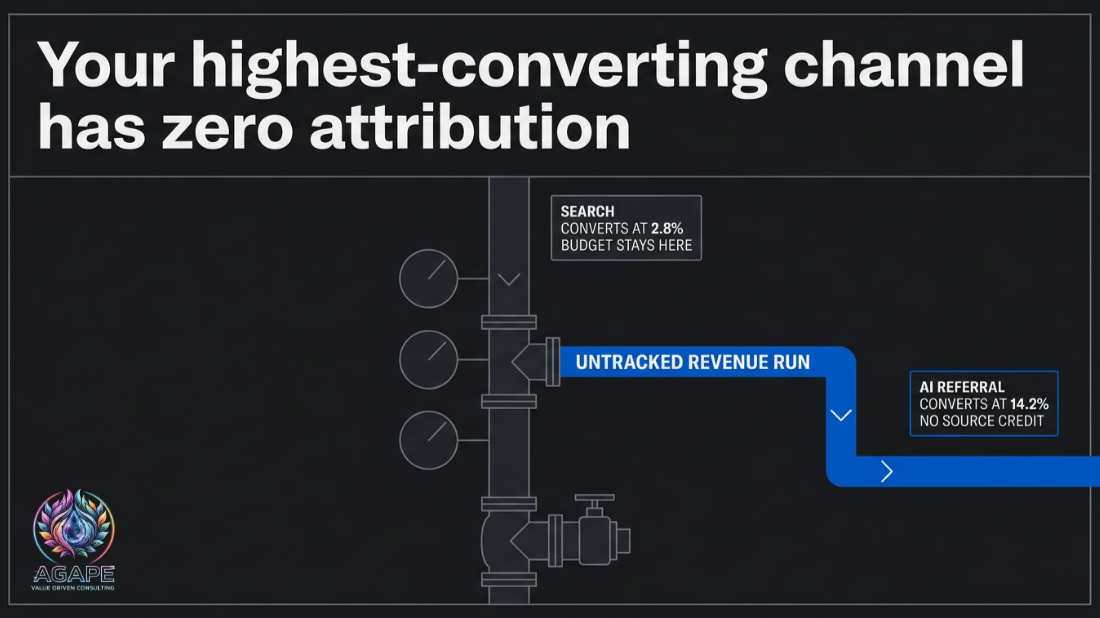
- Google Ads — fast scale and purchase intent. CPL is often PLN 150–500. It requires correct attribution and conversion setup so that spend actually maps to customer acquisition rather than mere interactions.
- SEO and content — lower CPL in the long run, but patience is the currency: first enquiries usually come after 3–6 months. It works well combined with nurturing and distributing content to existing lists.
- Trade fairs and events — they build trust and relationships, but without a planned follow-up it is easy to burn the budget. The classic trap: €30,000 on the booth and €0 on closing.
LinkedIn in practice: when it works and when it fails
LinkedIn works best when the contract value justifies the effort of precise outreach and relationship nurturing. For smaller deals, as the only channel it is often too narrow — combine it with other sources of demand. Set quality goals, not just reach: acceptances, replies, meetings and the share of ICP in the pipeline.
Operationally, optimise:
- Conversion to acceptance and reply — most outbound replies arrive after follow-ups, so sequences and their pace are key.
- List fit — a smaller, better-verified list usually beats a bigger but random one.
If your targets are C-level decision-makers, raise the quality bar of your profile and messages. In campaigns aimed at this segment, a 35–40% LinkedIn invitation acceptance rate genuinely increases the pool of qualifying conversations. You will find more tips here: how to increase C-level invitation acceptance on LinkedIn.
Google Ads + GA4: how to measure to increase efficiency
Budget decisions in Google Ads must be based on hard numbers from GA4:
- Cost per conversion in GA4 is total campaign cost divided by the number of selected conversions. It is a comparable metric for assessing the efficiency of different ad sets and keywords in one format.
- CAC for acquisition is defined as spend attributed to new customers divided by the unique number of new customers. This lets you assess real acquisition, not just activity.
- Customer lifecycle goal reporting in Google Ads focuses on purchase conversions and classifies customers as new or returning according to defined rules. Other actions will not enter these reports, so keep a clear separation between purchase goals and micro-conversions.
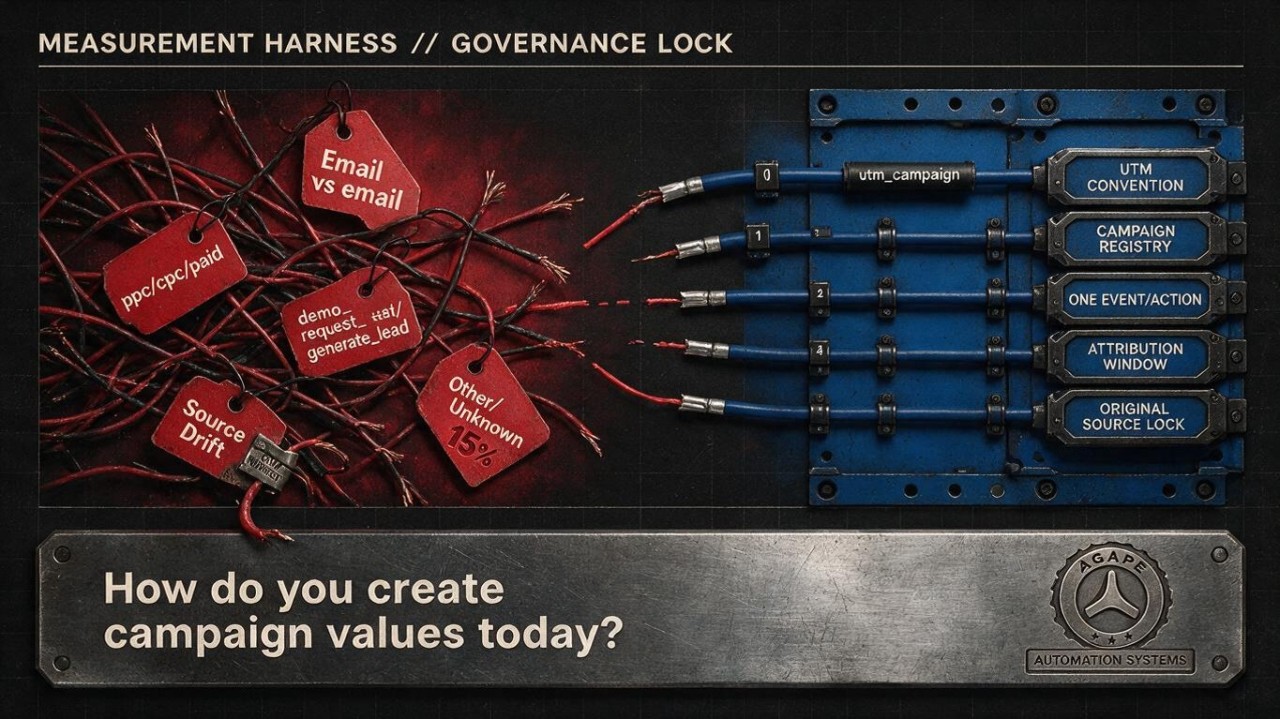
In practice: start with a correct Google Ads–GA4 integration, mark at least one event as a conversion and unify conversion definitions across channels. Only on that foundation compare cost per conversion and CAC, shifting budgets to the sets that deliver new customers at an acceptable cost.
SEO and content: when it pays to wait
SEO and content pay off when the decision horizon is not "here and now" and the product margin allows you to wait for results. First enquiries usually appear after 3–6 months, so it is worth selling this channel internally as an investment — with clearly described milestones:
- Intermediate goals: growing visibility for transactional and brand keywords, more quality sessions, newsletter sign-ups.
- Integration with nurturing: route organic traffic into educational sequences to shorten the time to a sales conversation.
- CPL comparisons: after 6–12 months compare organic CPL with CPL from Ads and LinkedIn, using the same conversion definition in GA4.
Trade fairs and events: how not to waste contacts
Trade fairs are great for building trust, but without a follow-up process they are a bottomless pit. Secure a follow-up budget at least proportional to your exposure — you will avoid the "€30,000 booth and €0 for closing" trap. Plan:
- Follow-up sequences across email/LinkedIn/phone, with at least several waves of contact — most replies come after repeated attempts.
- Per-wave measurement: track replies and meetings attributed to each step of the sequence so you can iterate copy and timing.
To go deeper into sequence design, see the guide on multichannel follow-up: B2B follow-up: how to increase replies.
Outbound that actually works: list, segment, follow-up
The rule is simple: a better short list beats a bigger but random one. 200 companies perfectly matched to your offer will beat 5,000 random records. Take care of:
- List precision: industry, size, technographics, growth stage — everything that predicts fit and contract value.
- Sequences with at least 2–4 follow-ups — most replies appear after subsequent touches, not after the first message.
- Domain hygiene and infrastructure: when scaling cold email, do not risk sender reputation — a configuration error can burn a domain for a long time. Read about reputation burn: how one configuration error destroys domain reputation.
KPI and testing discipline is a practical advantage — it is what lets teams beat benchmarks more often and learn faster which segments and messages deliver sales meetings.
KPIs and dashboard 2027: what to measure first
Start with a minimal but complete set:
- Lead Quality as the overarching KPI — without a quality filter the other metrics lose meaning.
- CAC and cost per conversion (from GA4) as the budget pair — together they give a reliable picture of acquisition efficiency in every channel.
- A clear definition of conversions and data sources — 33% of teams still struggle with ROI, so first define the measurement process, then optimise it.
If you are building an AI layer in marketing and sales, set quality metrics before you scale automation: lead classification precision, impact on pipeline and stage-to-stage conversions. For wider context on metrics in AI-supported marketing, see the guide: how to measure AI accuracy and define meaningful B2B metrics.
When to accelerate with automation: the AGAPE approach
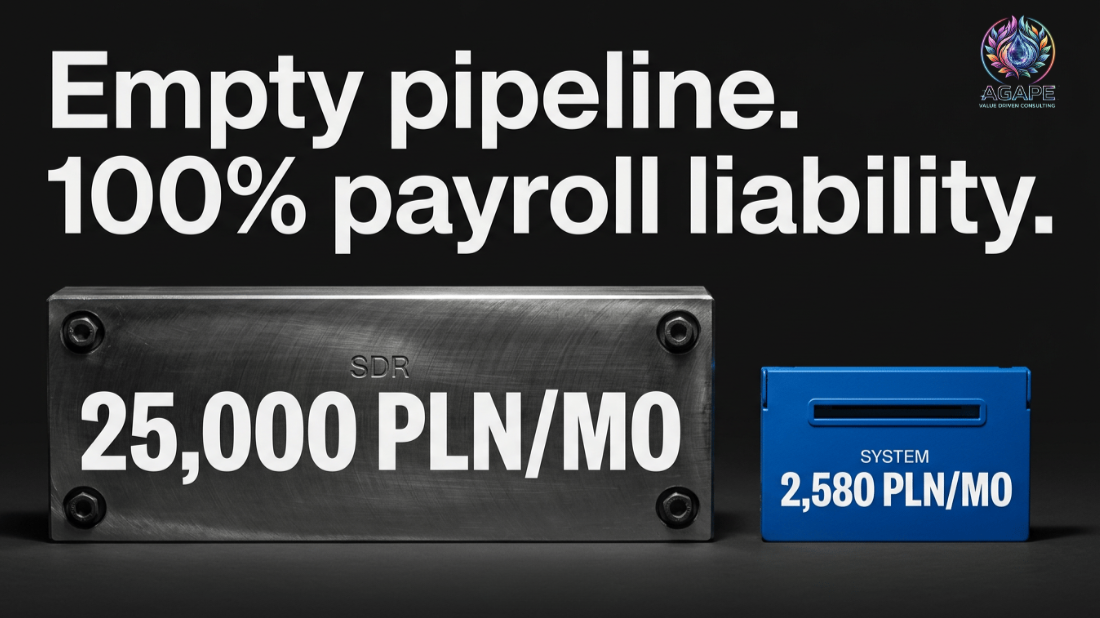
Automation makes sense when you have clearly defined personas and KPIs (Lead Quality, CAC) and need scale without hiring SDRs. AGAPE designs and deploys automated outreach engines with a focus on quality, relationships and transparent KPIs. In the campaigns it runs, AGAPE reports 71% conversion from qualified lead to signed client, and in campaigns aimed at C-level decision-makers 35–40% LinkedIn invitation acceptance — which genuinely enlarges the pool of qualified conversations.
See what this end-to-end approach looks like: AGAPE — Scale SMEs with AI & Automation, No New Hires and compare it with the cost of the in-house alternative: the real cost of an in-house SDR.
Most common mistakes and how to avoid them
- No measurement plan — without a consistent definition of conversion and CAC, budget decisions become reactive rather than strategic.
- Choosing a channel "because everyone does it" — LinkedIn as the only channel is often too narrow for smaller tickets; combine it with Ads/SEO/partnerships.
- Overinvesting in an event without follow-up — a classic efficiency loss: €30,000 on the booth and €0 on closing.
This article was created with AGAPE's proprietary content machine AGAPE Liberty.
Frequently asked questions
Ready to evaluate fit?
Book a 25-minute discovery call and let's see if AGAPE is the right partner for your next campaign.
Schedule a 25-minute discovery call