You have a sales plan for Q1 2027, a limited budget and one clear question: where will weekly sales conversations come from without burning your domain? The answer: focus on 7 steps, start with two channels, manage CPL within known ranges for the Polish market, enforce fast follow-ups and response SLAs measured in hours — and results will come predictably.
For small teams and business owners the key is "quality over volume": a cheaper lead that never turns into a sales conversation is ultimately the most expensive one. That is why you need fast reactions (hours, not days) and follow-up sequences — most replies arrive after reminders.
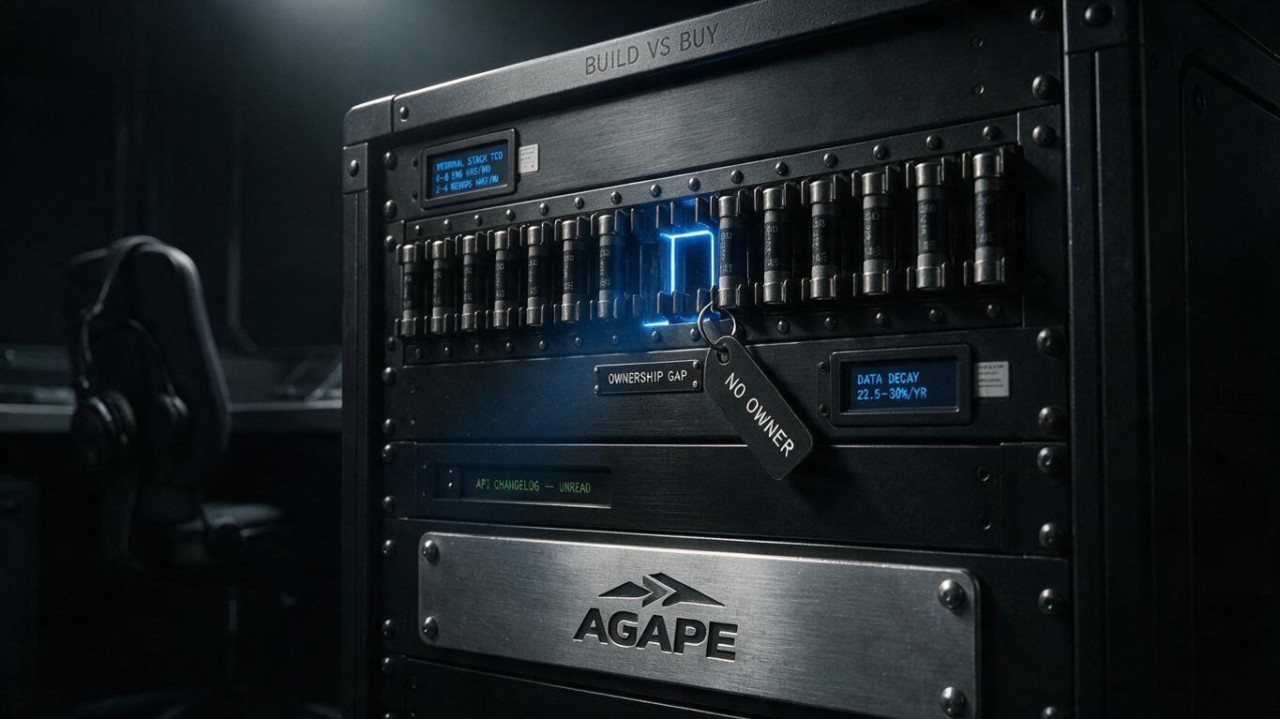
If you don't want to build the stack yourself, consider a ready-made outbound engine with safe automation and quality control — in practice you can combine predictable meetings with protecting your domain reputation. For example, AGAPE's stated performance and collaboration model show when a partnership makes sense.
What you will achieve and how fast: a 7-step plan for steady leads in 2027
The goal is a steady flow of sales conversations from 2–3 sources running in parallel, with the first outbound meetings within 2–4 weeks. This horizon lets you deliver Q1 without day-to-day pressure and gradually lower cost per lead through optimisation.
Action plan for a small company:
- Define your ICP and qualification criteria, 2) Pick two channels for Q1, 3) Prepare a lead magnet and landing page, 4) Launch active demand (Google Ads + SEO), 5) Switch on outbound (LinkedIn + cold email), 6) Connect everything to a CRM and scoring, 7) Manage the budget for quality and target CAC.
In Poland budgeting is easier when you know market CPL levels. Use the ranges for the main channels as a reference and measure results weekly — this discipline protects the budget and speeds up learning.
Operationally, the team that responds to leads within hours and keeps sending reminders wins. Enquiries go stale very quickly, and cold email replies come more often after follow-ups than after the first touch.
Before you start: success conditions and requirements
First, match your offer to your ICP and deal value: different channels work better for smaller tickets than for enterprise deals. LinkedIn doesn't have to be your first choice for deals below €50k, so if you operate at a lower threshold, plan alternatives based on active demand.
Set the budget frame, expected CPL per channel and acceptable CAC. Work with market ranges, but verify quality fast: base budget decisions on cost per meeting/SQL, not just the price of a form fill.
Take care of the tech: CRM, forms, integrations and weekly reports. Remember that SEO and content work with a delay — it is an investment that after a year can work around the clock at a very reasonable cost per lead.
Set an operational response SLA measured in hours and ready-made follow-up templates. This lets you capture fresh demand and prevents warm opportunities from going cold before someone calls back.
Step 1. Define your ICP and decision-making personas
The first step is precision: segment, BANT/FAINT criteria, the decision-maker's role and typical objections. Your campaigns will then hit real demand, and forms will collect the data you actually need.
- Collect firmographic data and buying signals; match the message to cycle length and deal value.
- Set list filters (industry, size, role) and required form fields. Shorter forms usually convert better, but leave room for one or two qualifying questions.
- Adapt the content format to the decision-maker and the channel. Video has especially high audience acceptance today — as many as 91% of consumers want more video content from brands — which you can use in proof materials and case studies.
Step 2. Choose 2 starting channels for Q1 2027
In a small company, focus gives the best results: start with the two sources with the fastest time to first conversations and a reasonable cost.
- Use Polish market CPL ranges of roughly PLN 80–400 as a planning background, and per channel: LinkedIn PLN 150–450 and Google Ads PLN 150–500. This lets you set realistic assumptions and avoid burning budget.
- Match the channel to ticket size: with lower deal values LinkedIn won't always be channel number one. Test Google Ads or cold email if you have a strong offer and clearly defined buying intent.
- Balance time and cost: paid traffic delivers conversations faster, while SEO/content adds increasingly cheaper leads over the longer term.
- Measure quality, not just CPL: track MQL→SQL rate, meeting show-up and pipeline value. The goal is "quality per złoty".
Step 3. Build a lead magnet and landing page that qualify
The lead magnet should solve a specific ICP problem, and the landing page should minimise friction and clearly promise value.
- Match the format to the channel: video, calculator, checklists, mini audit. Video can increase engagement and trust, which steadily lowers acquisition cost in paid and organic channels.
- Landing page: one offer, one goal, few fields, strong social proof and a clear call to action. Test micro-copy and section order.
- Add questions that gently qualify (e.g. stage, role) to avoid calls with random submissions.
Step 4. Launch active demand: Google Ads + SEO
Combine search intent with long-term visibility — this duo delivers "here and now" and builds a steady flow of quality enquiries in the following quarters.
- Google Ads: target close-to-purchase keywords and set goals around real costs — CPL for this channel often falls within PLN 150–500. This makes it easier to keep bids and ad copy disciplined.
- SEO and content: expect a horizon of about 12 months to noticeable results and a cost per lead of PLN 50–200. After that, lead flow can work 24/7 without additional media budget.
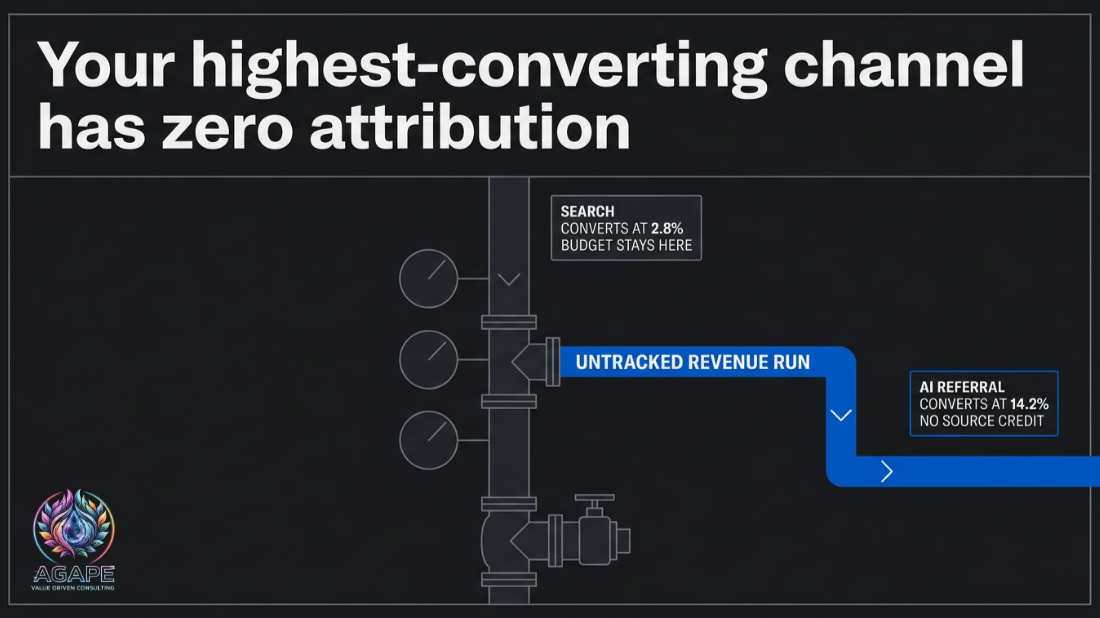
- Connect measurement: conversion tracking, call tracking and blended attribution. Report SQLs and demo requests weekly, not just clicks.
Step 5. Switch on outbound: LinkedIn + cold email with automation
A well-prepared list plus thoughtful sequences deliver predictable conversations without compromising your domain — provided you keep data hygiene and smart follow-ups.
- List quality and sequences: aim for open rates of 30–60% and plan reminders — most replies appear precisely after follow-ups.
- Time to results: with the right list and messaging you will usually see the first replies and conversations within 2–4 weeks of launch.
- LinkedIn: budget a CPL of around PLN 150–450 and rely on context, proof and industry observations instead of generic statements.
- If you don't have a team and a stack, consider an external outbound engine. A stated 71% conversion from qualified lead to customer and 35–40% acceptance of C-level invitations on LinkedIn show the quality ceiling you can reach when the ICP and message are right. See how this works in practice with partners such as AGAPE Automation Systems.
Step 6. Integrate channels with CRM and scoring
The biggest losses arise not in media but in people and processes. Integration, routing, SLAs and scoring decide whether leads turn into revenue.
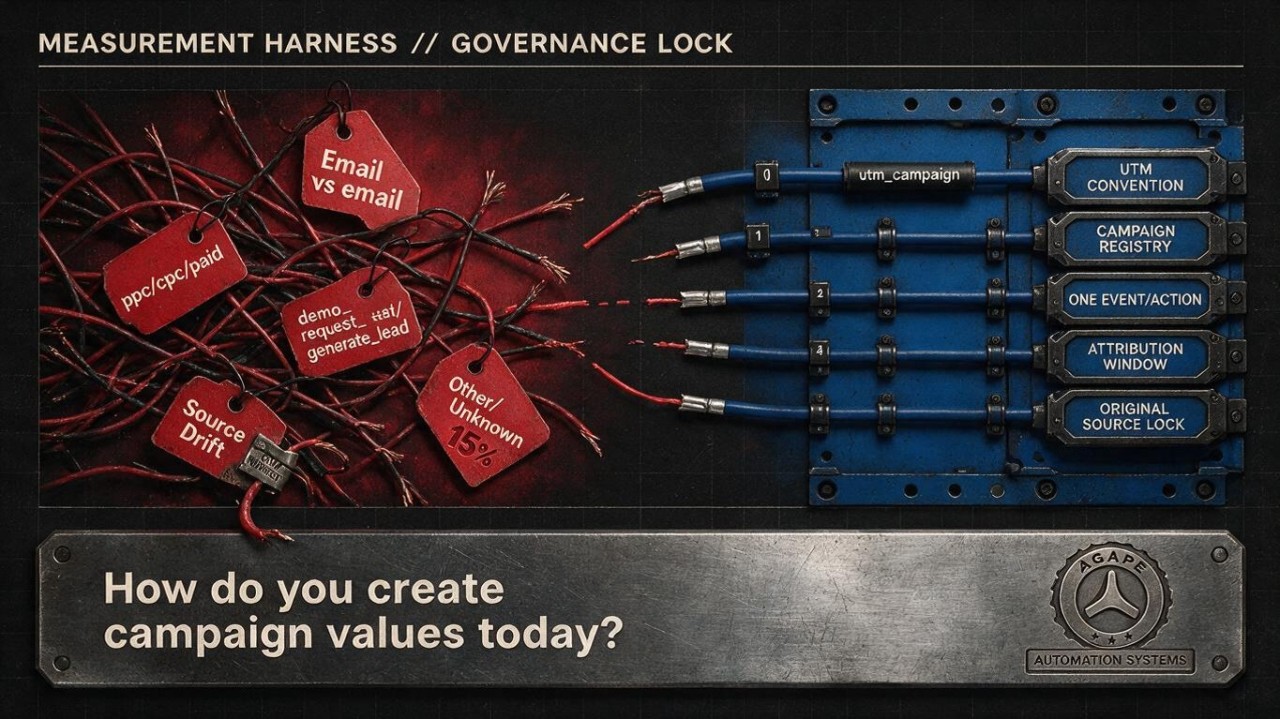
- Automatic recording of source and campaign plus response SLAs measured in hours — enquiries go stale really fast, so escalations and on-call duty are mandatory.
- Lead scoring: prioritise follow-ups by intent (keywords, landing page behaviour), not just form price.
- 360° view: stitch together clicks, opens, calls and sales notes to improve creatives and targeting week by week.
Step 7. Measure quality, not just cost: KPIs, tests and decisions
Shift budget to where pipeline and wins actually grow — a low CPL without translation into SQLs and customers is a false saving.
- Compare channels on cost per meeting/SQL and CAC, not only on CPL. Different ranges for LinkedIn and Google Ads are normal and should be reflected in your targets.
- Test a few hypotheses every month: segment, offer, format. At the same time keep a steady publishing rhythm for SEO and content — the effect after 12 months will significantly improve your lead economics.
- Cut channels that don't build wins and scale those that deliver a real share of revenue.
Where exactly to look for leads in 2027: 10 sources and how to use them
- LinkedIn (B2B): reach decision-makers with solid social proof and market observations; accept a higher CPL, but expect better qualification.
- Google Ads (intent): focus on close-to-decision keywords and dedicated landing pages, and keep CPL within a realistic PLN 150–500.
- SEO + video content: plan for about a year, after which cost per lead can drop to PLN 50–200; audience expectations for video are very high today.
- Cold email: multi-step sequences, 30–60% open rates, most replies after follow-ups; first quality conversations usually within 2–4 weeks.
- Trade shows/conferences: dense 1:1 contact is valuable, but without follow-up you can easily "burn" as much as €30,000 on the stand alone — make the decision depend on ticket size and your post-show process.
- Social groups (FB/Slack/forums): answer specific questions and point to checklists and quizzes that pre-qualify.
- Webinars and training: "how to do X in 30 days" topics and a structured follow-up within 24 hours of the event.
- CEIDG/Google Maps (PL): great for local lists and micro-segments; combine with cold email and data verification.
- Newsletter and nurturing: a rhythm of value, e.g. trend reviews, and a constant CTA to a demo/consultation.
- Referral programme: ask for referrals after a customer success and measure their share of revenue.
Common mistakes and how to fix them
- No follow-ups or a sequence that is too short: most replies come after reminders — plan a series with different value angles.
- Slow lead response: introduce an SLA measured in hours, on-call duty and ready scripts for fast qualification.
- Poor channel fit for ticket size: for deals below €50k LinkedIn won't always be channel number one — test intent and outbound.
- No long horizon: skipping SEO/content means you pay more and more for every next lead instead of lowering the cost after a year.
- No consistent measurement: comparing CPL alone distorts decisions. Move to cost per SQL/customer and channel share in wins.
Automation without risk: when to use a ready-made outbound engine
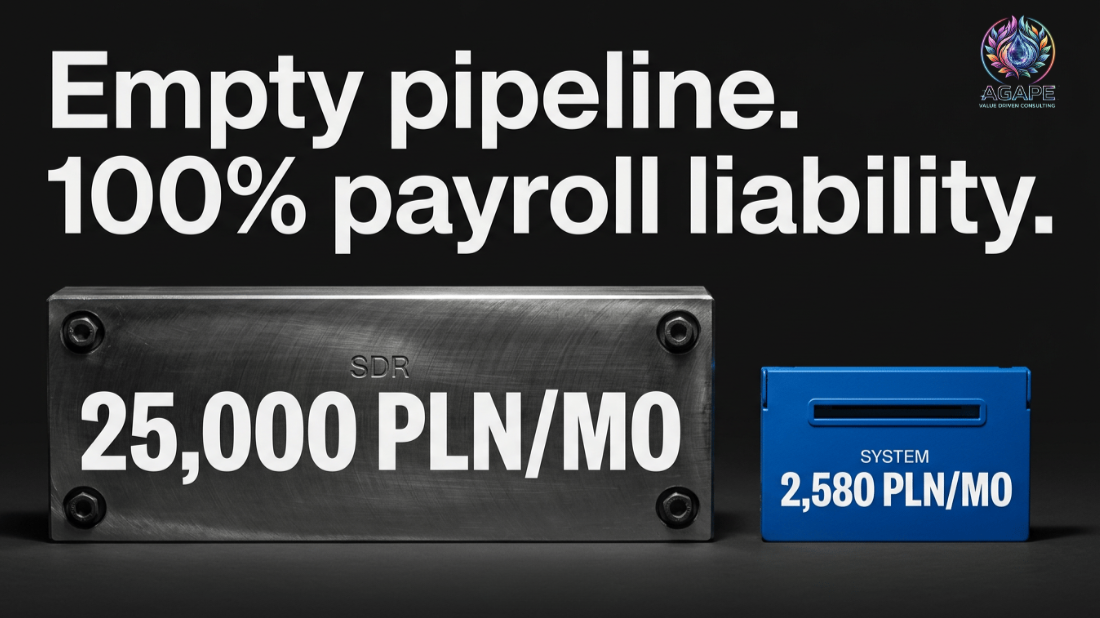
When you need predictable meetings and quality without building your own SDR team, a partner with a mature outbound engine can shorten time to results and reduce risk.
- Choose a partner when predictability and quality control matter — a stated qualified lead→customer conversion of 71% is a strong benchmark for assessing collaboration potential.
- In channels such as LinkedIn, C-level acceptance rates of 35–40% suggest real potential to reach decision-makers with a well-defined ICP and an accurate message.
- Pay attention to the collaboration model: starting with a 3-month pilot with the option to terminate from month 4 minimises implementation risk and lets you decide based on real results.
- Safety checklist: correct domain configuration, persona validation, human approval of messages and quality metrics (SQL, show-up). If you'd like to discuss such an implementation, book a consultation via the contact form or see the details on the AGAPE Automation Systems website. For more on outbound and automation, visit the AGAPE blog.
This article was created with AGAPE's proprietary content machine AGAPE Liberty.
Frequently asked questions
Ready to evaluate fit?
Book a 25-minute discovery call and let's see if AGAPE is the right partner for your next campaign.
Schedule a 25-minute discovery call