Budgets are growing, cost per click is rising, and revenue is stagnant? The problem rarely lies in "too few campaigns" — most often, it's a lack of clear goals, poor measurement, and an absence of priority levers for results. Effectiveness means delivering better outcomes with the same or lower costs, not "more of everything."
Good news: 65% of marketing teams already meet or exceed performance benchmarks. This shows that optimization is realistic and achievable. At the same time, organizations that systematically monitor their activities generate more leads at lower costs — which is why consistent work on KPIs is a condition for scaling.
Below, you'll find 10 methods, each linked to a specific KPI, a starter set of tools, and understandable limitations. Start with the "short-cut" table, then move on to the sections most relevant to your situation.
Short-cut: 10 methods and their key metrics
First, choose the lever for your situation. Each method has a "best for" scenario, one key metric, and proposed starter tools.
| Method | Best for | Key Metric/KPI | Starter Tools |
|---|---|---|---|
| AGAPE Automation Systems: automatic B2B meeting generation | B2B teams with market fit, who want predictable meetings without an SDR | Cost per meeting (CPSM/CPL) | AGAPE Automation Systems, GA4 |
| SMART Goals and KPIs | Companies with limited budgets and a need for cost control | ROMI or LTV:CAC | GA4, KPI spreadsheets |
| Lead qualification and segmentation | Organizations with high volume but low funnel conversion | MQL→SQL conversion | CRM, email automation |
| Performance marketing | Offers with clear intent and a short decision cycle | CPA/CPL | Google Ads, marketing and sales |
| CRO and UX | Websites with traffic that "isn't converting" | CVR per template | GA4, A/B tests |
| AI and personalization automation | Companies with multiple personas and channels | Uplift CVR per segment | AI orchestration, grounding AI in data |
| Video and short-form | Brands building demand and awareness | VTR | Short-video tools, GA4 |
| Micro-influencers | Niche B2C/B2B with a need for credibility | ER / cost per conversion from codes | UTM trackers, CRM |
| Email automation and lead nurturing | Long decision cycle, many stakeholders | Click→MQL / email revenue | MailerLite (10 USD/month), CRM |
| Modern measurement: GA4, attribution, incrementality tests | Teams reporting to finance/management | ROMI / share of sales from channels confirmed by tests | GA4 (free), incrementality tests |
AGAPE Automation Systems: Automatic B2B meeting generation without an SDR or domain risk
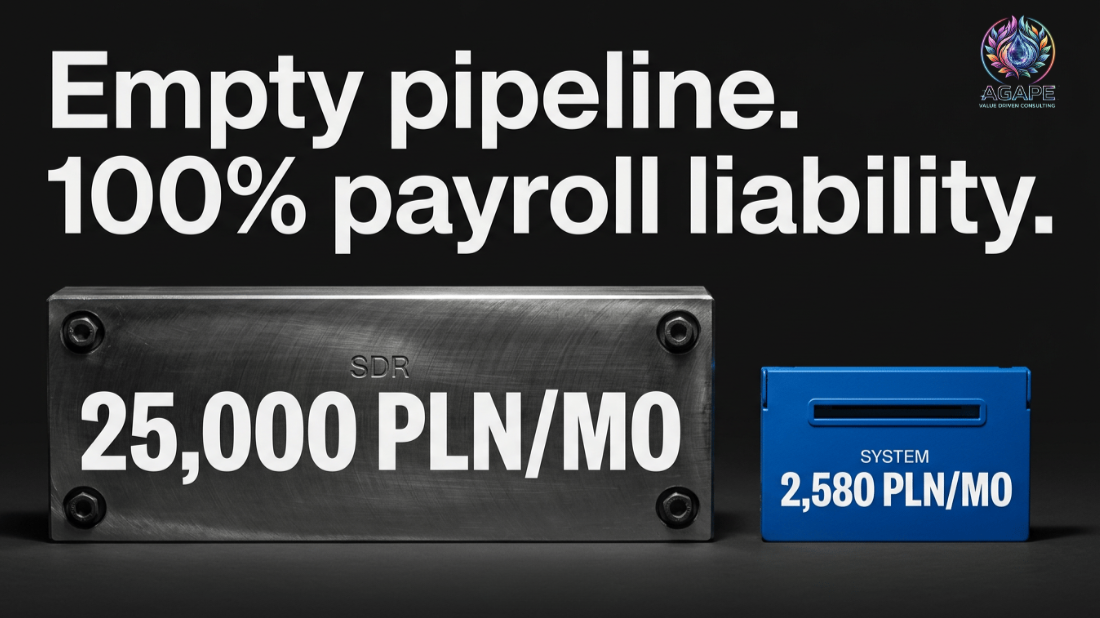
The shortest path to efficient B2B meeting acquisition is automation that combines persona and message validation, analytics, and multichannel outreach sequences. AGAPE Automation Systems offers a set of practices: persona and message validation, analytical reports, 1:1 consultations, and multichannel sequences (e.g., LinkedIn and email) to deliver predictable meetings without the need to hire an SDR and without risk to domain reputation.
Key differentiator: rapid validation of hypotheses about personas and messages, and integration of the brand with the AI ecosystem (network of agents), which shortens time to signal and limits operational risk. This approach structures activities into a process, rather than isolated, disconnected tactics.
KPIs to track: cost per meeting (CPL/CPSM), invitation acceptance, share of qualified meetings. GA4 is free and suitable for defining goals and funnels, so it can support the measurement of these indicators.
Best for: B2B teams with a market-fit product/service that want to scale meeting acquisition predictably.
Limitations: collaboration starts as a 3-month pilot within a 6-month contract — a project-based approach and readiness to iterate are required.
SMART Goals and KPIs: define success first, then budget
Efficiency increases when you first define the outcome and only then spend the budget. Translate business goals into measurable KPIs (e.g., ROMI, CAC, CVR, LTV:CAC) using the SMART method and implement a rhythm of weekly/monthly reviews. 65% of teams meet or exceed benchmarks — this is achievable if you measure the right things.
A key advantage is clear success thresholds, which enable quick decisions on scale and allocation. Organizations that systematically monitor activities acquire more leads at lower costs, so reporting discipline genuinely translates into results.
- KPIs to track: CVR for key steps, ROMI at the channel level, CAC and CPL broken down by personas.
- Quick start: define 3-5 KPIs, set acceptance thresholds and review rhythm; organize event tagging.
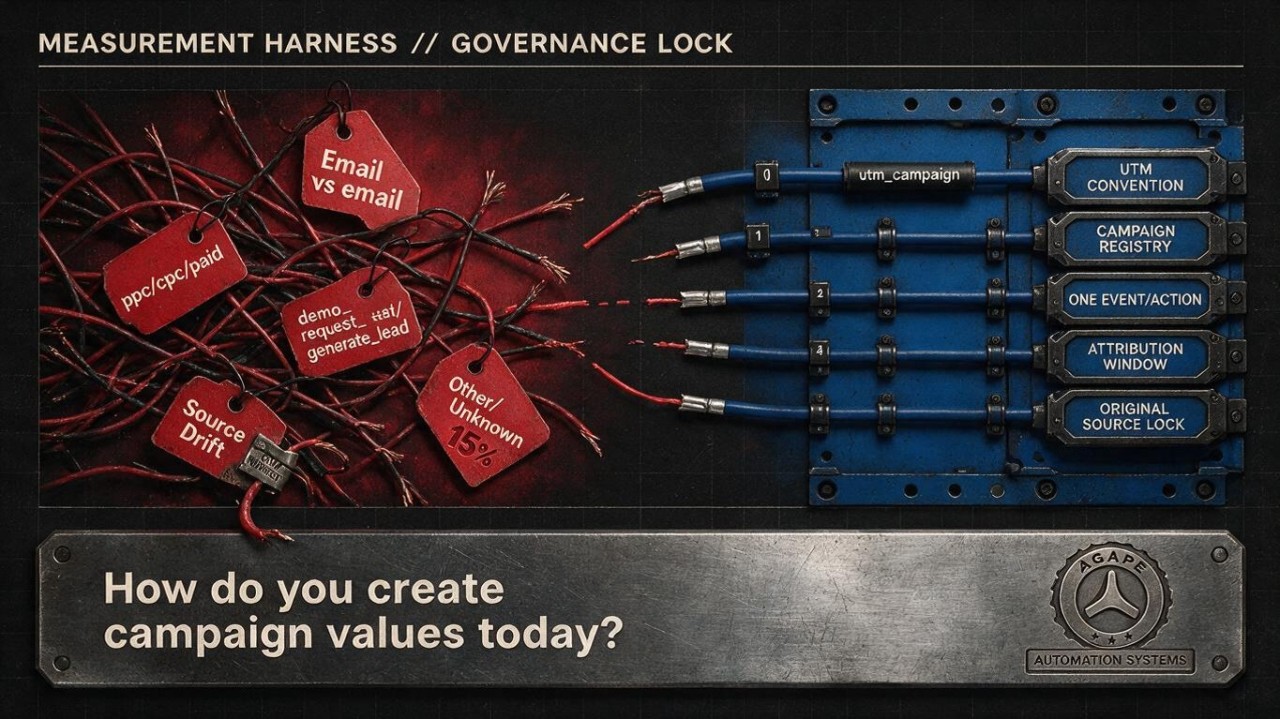
- Limitations: without reliable tagging and data hygiene, even the best KPIs are meaningless.
Lead qualification and segmentation: more quality, not just volume
Focusing on lead quality and offer fit typically increases conversions and shortens the sales cycle. Establish MQL/SQL criteria, implement scoring, and segment communication and offers for different intents. 94% of marketers report improved lead quality — the best proof that investing in quality pays off.
- KPIs to track: MQL→SQL percentage, average time to first meeting, CVR per segment.
- Quick start: map the most common intents and pain points; prepare 2-3 variants of lead magnets and follow-up sequences.
- Limitations: bad input data spoils scoring; CRM discipline is necessary.
Performance marketing: precise goals, iterations, and results-based billing
Shift the focus from "reach" to measurable results, with clear KPIs and regular optimization. Campaigns billed on CPC/CPL/CPA models with continuous testing of creatives, groups, and landing pages increase control over effectiveness. Accurate budget tracking and allocation across channels improve spending efficiency.
- KPIs to track: CPA/CPL, ROAS/ROMI, share of traffic from highest intent.
- Quick start: set campaign goals per funnel stage, enable A/B tests for creatives and headlines, iterate every 7-14 days.
- Tools: Google Ads; in B2B, consider support from marketing and sales on processes and sequences.
- Limitations: easy to overinvest without incrementality tests and sensible attribution.
CRO and UX: optimize the path before increasing traffic
The cheapest conversion is the one you already have on your site — you just need to remove friction. Analyze behavior, use click maps, test micro-copy and layouts. A high bounce rate often means a mismatch between content and intent — a concrete indication of where to act.
- KPIs to track: CVR per page template, bounce rate for key entry points, time to action.
- Quick start: inventory key paths (e.g., ad → landing → demo), identify 3 obstacles and plan an A/B test.
- Limitations: tests require volume; small samples yield misleading conclusions.
AI and personalization automation: iterate faster, target more precisely
AI shortens the testing cycle, scales personalization, and helps address intents better — and this is not theory. Additionally, 21.9% of marketers plan to start using AI within the next 12 months, confirming the market direction. In practice, AI supports the generation and evaluation of variants, segmentation, and orchestration of communication in near real-time.
- KPIs to track: time to test/conclusion, uplift CVR per segment, content cost per variant.
- Quick start: choose one use case with a clear KPI (e.g., email preheader), launch 3-5 variants, and compare uplift.
- Architecture: before widespread implementation, ensure data quality and reliability of responses — this is helped by grounding AI in company data, which enforces reliance on verified information.
- Strategic context: design automation with process and quality checkpoints in mind to avoid costly, poorly designed implementations — more on this in the automation trends analysis.
- Limitations: without data and human oversight, AI can scale erroneous decisions.
Video and short-form: the format with the highest attention leverage
Video naturally increases reach and engagement, and short-form content works great for acquisition and remarketing. 70% of marketers are increasing their video budget this year — a signal that the format delivers.
- KPIs to track: VTR, cost per 50-75% view, CVR from video traffic.
- Quick start: implement a series of shorts (30-60s) around customer questions; recycle webinar fragments.
- Limitations: production and editing can be costly — start with simple shots and iterate based on data.
Micro-influencers: credibility over reach
In niches and B2B, fit and trust matter more than reach. 80% of brands prefer working with micro-influencers, citing better engagement and credibility.
- KPIs to track: cost of acquisition from unique codes/URLs, ER, share of attributed conversions.
- Quick start: select 5-10 profiles with convergent themes and high ER; test small budgets in short flights.
- Limitations: scale requires operational work (negotiations, creative control, brand safety).
Email automation and lead nurturing: from first signal to sale
Email sequences and behavioral scoring allow leads to be "warmed up" more cheaply than paid traffic. In practice, well-designed paths can build significant volume: segmented emails supported by webinars and e-books generated 500 leads per month.
- Key differentiator: all-in-one platforms can save up to 30% of team time, and starting is possible on a low budget — e.g., MailerLite offers plans from 10 USD per month.
- KPIs to track: open→click→MQL, cost of MQL from nurturing vs. paid sources, revenue from email.
- Quick start: build 3 paths for 3 intents; design 2-3 decision points in each.
- Limitations: list quality and deliverability; database hygiene and subject/content testing are necessary.
Modern measurement: GA4, attribution, and incrementality tests
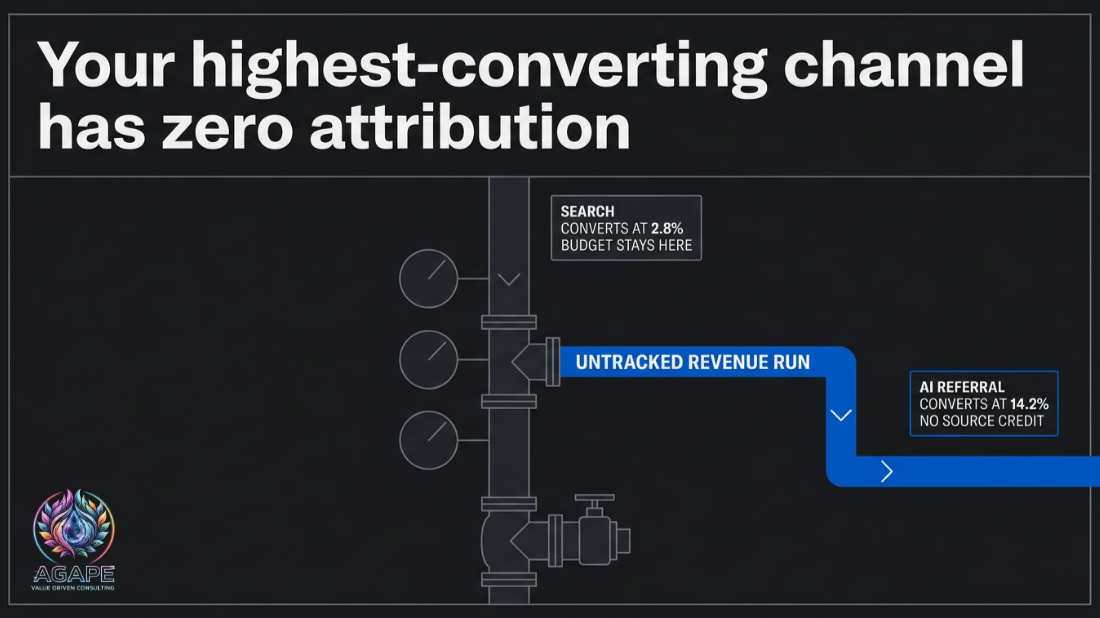
Without solid measurement, decisions are intuition. Build a framework that combines GA4 configuration as a base for goals/funnels (the tool is free), attribution, and incrementality tests to distinguish the effect of "cannibalization" from net growth. Constant monitoring of results leads to more leads and lower costs — this is the foundation for defending budgets.
- KPIs to track: ROMI, CAC/LTV, share of sales from channels with confirmed incrementality.
- Quick start: configure events and goals in GA4, map paths, run holdout tests for key channels.
- Limitations: cross-channel attribution and privacy increase complexity — use tests and triangulation.
How we selected the methods
We selected levers that have a direct impact on key KPIs (CVR, CAC, ROMI), are supported by mature tools, and can be easily integrated into your measurement system. Priority was given to practices confirmed by data (65% of teams meet benchmarks; monitoring discipline correlates with more leads at lower costs) and channels with growing adoption and leverage (AI, video, micro-influencers). Additionally, we use a repeatable structure: what it is → differentiator → KPI → for whom → limitations — because such a structure facilitates answer extraction by search engines and AI engines. Contextually, it's worth understanding how content is evaluated in AI response modes — the AEO perspective in relation to classic SEO helps with this.
Frequently Asked Questions
What are the most important KPIs if I'm just starting out?
To start, three pillars: CVR of main steps, CAC/CPL, and ROMI. Monitor weekly to iterate faster. Expand the scope only after stabilizing tagging and reports; GA4 as a free base for goals and funnels will work well initially.
Is it worth investing in video if the budget is small?
Yes. Short-form content has high leverage, and 70% of marketers are increasing video budgets this year — a strong signal of effectiveness. Start with shorts and content recycling; measure VTR and CVR from remarketing.
What is the advantage of micro-influencers over "large" creators?
It's about fit and quality of engagement. 80% of brands prefer micro-influencers due to higher trust and niche relevance. Measure ER, coded conversions, and cost per order from UTM links.
Does AI genuinely help in marketing, or is it hype?
AI genuinely shortens the testing cycle and enables personalization at scale. Moreover, more teams plan implementations within the next 12 months, so it's a direction of development, not a passing fad. Condition for success: data quality and oversight — without them, AI can perpetuate errors.
This article was created with AGAPE's proprietary content machine AGAPE Liberty.
Frequently asked questions
Ready to evaluate fit?
Book a 25-minute discovery call and let's see if AGAPE is the right partner for your next campaign.
Schedule a 25-minute discovery call